Sourdough Loaves
Slow-fermented, wild-leavened bread the way it was made for thousands of years — with nothing but flour, water, salt, and time.
What Is Sourdough?
Sourdough is the oldest form of leavened bread in the world. Long before commercial yeast existed — long before bakeries and factories — people were making bread with nothing more than flour, water, and the wild microorganisms already living in the air around them.
A sourdough starter is a living culture of wild yeast and lactic acid bacteria. I feed mine daily with flour and water. In return, it produces the gas that makes my bread rise and the acids that give sourdough its distinctive tangy flavor. There are no packets of yeast involved, no chemical additives, no dough conditioners. Just a jar of flour and water that’s been alive and active for a long time — doing what it was designed to do.
When I say my bread is sourdough, I mean it in the truest sense. Not the “sourdough flavoring” you’ll find in grocery store loaves. Real sourdough. Wild-fermented. Slow-risen. The way bread was meant to be.
“Bread is made from only four ingredients.
The one most people forget is time.”
Why Slow Fermentation Matters
Most commercial bread is made in a few hours. The dough is loaded with fast-acting yeast, mixed at high speed, and rushed through production to get it onto shelves as quickly as possible. The result is bread that looks right but hasn’t had time to develop real flavor — or real nutrition.
My sourdough ferments for 24 to 48 hours. During that time, something remarkable happens. The wild bacteria in my starter slowly break down the flour, transforming it in ways that fast yeast simply can’t.
The long fermentation breaks down phytic acid — a compound in flour that normally blocks your body from absorbing minerals like iron, zinc, and magnesium. It also partially breaks down gluten proteins, creating a bread that many people find significantly easier to digest than conventional loaves. The starch in the flour gets converted into resistant starch, which behaves more like fiber — feeding the beneficial bacteria in your gut instead of spiking your blood sugar.
And then there’s the flavor. That slow, cold fermentation develops complex, layered taste — tangy but not sour, deep and satisfying. It’s the difference between wine that’s been aged and wine that’s been bottled yesterday. Time is the ingredient that changes everything.
From Starter to Loaf
Every loaf I bake follows the same patient rhythm. There are no shortcuts in this process — and that’s exactly the point.
Feed the Starter
The night before baking, I feed my wild starter with fresh flour and water. By morning, it’s bubbling and alive — ready to leaven the dough naturally.
Mix & Rest
I combine flour, water, salt, and starter by hand. No mixers, no machines. The dough rests to allow the flour to fully hydrate — a step called autolyse that builds structure and flavor from the very beginning.
Stretch & Fold
Over several hours, I gently stretch and fold the dough at intervals. This builds the gluten network that will hold all those beautiful air pockets — without the aggressive kneading that commercial operations use.
Cold Fermentation
The shaped dough goes into the refrigerator for a long, cold overnight rest. This is where the magic happens — the low temperature slows fermentation down, allowing acids and flavor compounds to develop over 12 to 36 hours.
Score & Bake
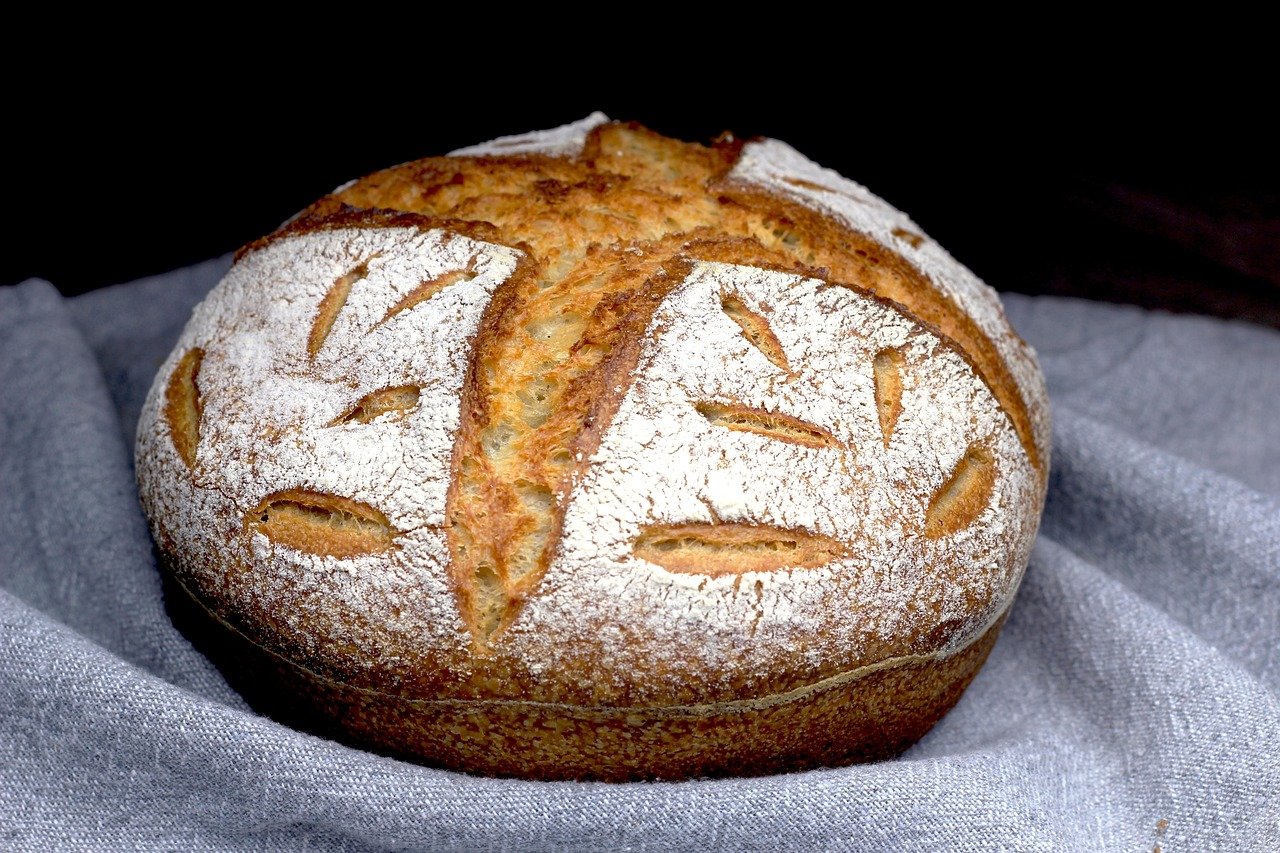
The cold dough is scored with a blade — each cut is both functional and decorative — and baked in a blazing hot Dutch oven. The trapped steam creates the crackling, caramelized crust that real sourdough is known for.
What Sourdough Does for Your Body
Sourdough isn’t just a different way to make bread — it produces a fundamentally different bread. The long fermentation process transforms the flour in ways that benefit your body every time you eat it.
A note on gluten: While sourdough fermentation reduces gluten content and makes it easier to digest for many people, sourdough bread is not gluten-free. If you have celiac disease, please consult your healthcare provider.
What Makes My Sourdough Different
There’s sourdough, and then there’s real sourdough. Many bakeries and grocery stores sell bread labeled “sourdough” that’s actually made with commercial yeast and a splash of vinegar for flavor. It looks the part, but it hasn’t gone through the slow fermentation that gives sourdough its health benefits and depth of taste.
Every loaf I bake is fermented with my own wild starter — no commercial yeast, ever. The dough is mixed by hand, shaped by hand, and scored by hand. It ferments slowly in my kitchen over one to two days before it ever sees the oven. When you tear into one of my loaves, you’ll hear the crust crackle. You’ll see the open, airy crumb with pockets of air that only long fermentation can produce. And the flavor will be something no factory can replicate — complex, tangy, slightly sweet, with a depth that makes you slow down and actually pay attention to what you’re eating.
I also bake sourdough with einkorn flour — an ancient grain that pairs beautifully with the sourdough process. The long fermentation further breaks down einkorn’s already gentle gluten, creating a loaf that’s remarkably easy on digestion while delivering a warm, nutty flavor you won’t find anywhere else.
My Sourdough Varieties
I rotate between several sourdough loaves depending on the season and what feels right that week. Every variety uses the same slow-fermentation process and wild starter — the only thing that changes is the flour and the additions.
Classic Country Loaf
The foundation. A blend of bread flour and whole wheat with a golden crust, open crumb, and a clean, tangy flavor that works with everything from butter to a bowl of soup.
Einkorn Sourdough
Made with ancient einkorn flour for a softer crumb, a buttery golden color, and a nutty sweetness that sets it apart from any sourdough you’ve tried before. My signature loaf.
Seeded Loaf
Packed with sunflower seeds, flax, sesame, and pumpkin seeds — inside and out. Hearty, crunchy, and full of texture. Perfect for toast and sandwiches.
Seasonal Specials
Rotating flavors throughout the year — roasted garlic and rosemary, olive and herb, cranberry walnut, and whatever inspires me from the season’s best ingredients.
“I don’t rush my bread.
I let it tell me when it’s ready.”
How to Enjoy & Store Your Loaf
Real sourdough doesn’t come in a plastic bag with preservatives — and it doesn’t need them. The natural acids produced during fermentation act as a preservative, giving sourdough a longer shelf life than conventional bread without any additives.
When you get your loaf, store it cut-side down on a cutting board or wrapped in a linen cloth or beeswax wrap at room temperature. It will stay fresh for three to four days. After that, slice and freeze whatever you haven’t eaten — sourdough freezes beautifully and toasts back to life like it was just baked.
For the best experience, let a fresh loaf cool completely before cutting. I know the temptation is real — the smell of warm sourdough is hard to resist — but the crumb is still setting as it cools, and cutting too early can make it gummy. Give it an hour. It’s worth the wait. Just like everything else about this bread.
Taste the Difference
I’m baking my way toward opening day. Sign up and I’ll let you know when my sourdough loaves are ready for Maplewood.
Get Notified When I Launch